

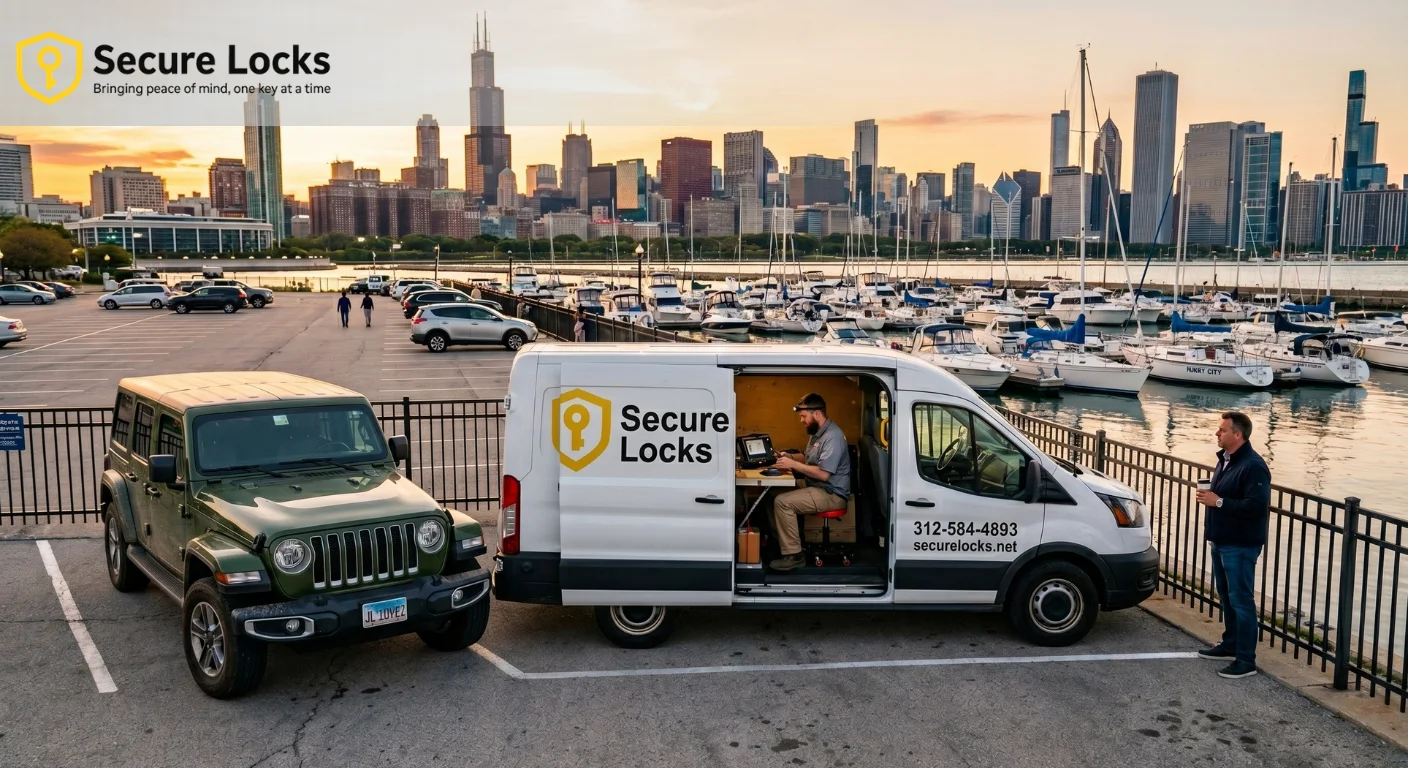
Experiencing difficulties with your Jeep not starting can be incredibly frustrating, especially when you’re in a rush or far from home. Several factors could prevent your Jeep from starting, and understanding these issues is key to finding a solution. This guide explores common reasons why your Jeep may not start with the key and offers insight on how to troubleshoot the problem effectively.
Key Issues with Ignition
If you attempt to start your Jeep and it doesn’t respond, the ignition system is often the first place to check.
- Faulty Ignition Switch: The ignition switch is responsible for sending power to the engine. If it malfunctions, your Jeep won’t start. Signs of a faulty ignition switch may include flickering dashboard lights or the inability to turn the key in the ignition.
- Worn Out Key or Key Fob: Over time, your physical key or key fob may wear down or become damaged. If the key is not turning smoothly or the key fob isn’t communicating with the vehicle, it could be a sign that replacement is necessary.
- Steering Wheel Lock: Sometimes, the steering wheel can lock after turning off the vehicle. If you turn the key but the steering wheel doesn’t budge, try gently turning the steering wheel while turning the key to the start position.
Battery Problems
A dead battery is one of the most common reasons vehicles fail to start.
- Battery Charge Level: If your Jeep's lights and electronics are dim or non-functional, the battery may be dead or dying. You can check the battery charge with a multimeter or by jumping the vehicle.
- Corroded Battery Terminals: Corrosion on the battery terminals can inhibit the electrical connection. If you notice any white or greenish buildup, clean the terminals with a mixture of baking soda and water.
- Old Battery: Car batteries generally last between three to five years. If your battery is older than this, it may be time for a replacement.
Fuel System Issues
If your Jeep cranks but doesn’t start, the issue might be with the fuel system.
- Empty Fuel Tank: It sounds simple, but an empty fuel tank is often overlooked. Ensure you have enough fuel in the tank, as running on low can lead to fuel starvation.
- Clogged Fuel Filter: A clogged fuel filter can prevent fuel from reaching the engine. If you suspect this is an issue, consider replacing the fuel filter according to your Jeep's maintenance schedule.
- Faulty Fuel Pump: The fuel pump is critical for delivering fuel from the tank to the engine. A malfunctioning pump may not create the necessary pressure for starting. Listen for a humming sound from the pump when you turn the ignition to the ON position; if you don’t hear it, the pump may need replacement.
Electrical System Failures
Modern Jeeps rely heavily on their electrical systems.
- Blown Fuses: If specific electrical components aren't working, it could be due to a blown fuse. Check the fuse box for any damaged fuses and replace them as needed.
- Faulty Starter Motor: If you hear a clicking sound when you turn the key, the starter motor might be failing. A faulty starter can prevent the engine from cranking.
- Loose Wiring: Sometimes, loose or damaged wires can cause electrical failures. Inspect the wiring around the ignition system and battery for any signs of wear or disconnection.
Security System Malfunctions
If your Jeep is equipped with a security system, it may prevent the vehicle from starting if it perceives a threat.
- Anti-Theft System Activation: If the anti-theft system is triggered, it may immobilize the vehicle. Check your owner’s manual for instructions on how to reset the security system.
- Key Fob Issues: If your Jeep uses a key fob, ensure it has a working battery. A dead battery in the fob can prevent the vehicle from recognizing your key.
Troubleshooting Steps
To systematically troubleshoot why your Jeep won't start, consider the following steps:
- Check the Battery:
- Ensure the battery is charged.
- Clean any corrosion from the terminals.
- Examine the Key:
- Inspect for damage or wear on the key or key fob.
- Try using a spare key if available.
- Look at the Fuel System:
- Verify there is enough fuel in the tank.
- Listen for the fuel pump’s operation.
- Inspect the Ignition System:
- Check the ignition switch for proper operation.
- Ensure the steering wheel isn’t locked.
- Consider the Electrical System:
- Look for blown fuses.
- Check the starter motor and wiring.
When to Seek Professional Help
If you have gone through these troubleshooting steps and your Jeep still won't start, it may be time to consult a professional locksmith or mechanic. They can provide advanced diagnostics and repair services for complex issues, such as:
- Ignition Switch Replacement: If the ignition switch is the culprit, a professional can replace it efficiently.
- Fuel System Repairs: Issues like a failing fuel pump or clogged filters often require specialized tools and knowledge.
- Electrical Diagnostics: A certified mechanic can run electrical diagnostics to identify hidden issues within your vehicle’s wiring and systems.
Next Steps for Jeep Owners
Taking proactive steps can help avoid starting issues in the future. Regular maintenance is essential for keeping your Jeep in top running condition:
- Routine Battery Checks: Test your battery regularly and replace it every few years.
- Fuel System Maintenance: Change the fuel filter periodically and ensure the fuel pump is functioning properly.
- Key and Lock Maintenance: If you experience frequent issues with your keys or locks, consider professional assistance for replacements or repairs. For more information, visit our car key replacement services.
By understanding the potential problems and taking preventative measures, you can minimize the chances of your Jeep failing to start. Remember, when in doubt, seeking professional advice can save you time and stress.